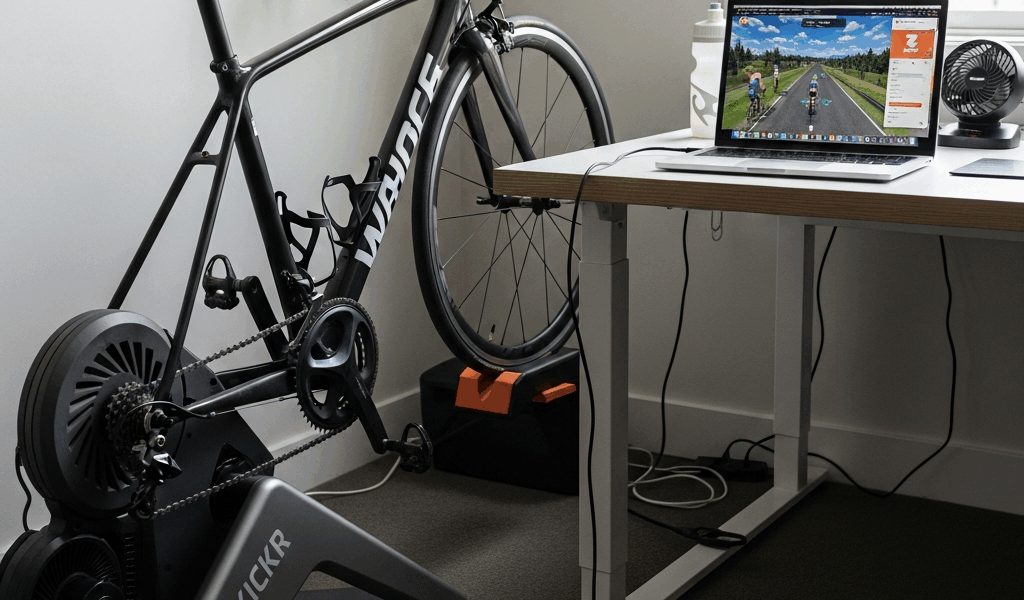
You opened Zwift the other day, noticed a “powered by Wahoo” logo in a spot you hadn’t seen before, and now you’re wondering what’s going on. Did Zwift buy Wahoo? Did Wahoo buy Zwift? Is your KICKR about to become a paperweight? Is the Zwift Hub One you picked up six months ago getting bricked?
None of that. But the merger did change a handful of things that matter depending on what equipment you already own. Here’s what actually happened and what it means for your setup at home.
What Actually Happened — Zwift and Wahoo Merge
Zwift acquired Wahoo’s smart trainer business in early 2025. Not all of Wahoo — the cycling computers (ELEMNT BOLT, ELEMNT ROAM) and heart rate monitors stayed independent under the Wahoo brand. But the smart trainer division — the KICKR, KICKR CORE, KICKR SNAP — now operates under Zwift’s roof.
The reasoning made sense for both sides. Zwift needed hardware expertise. Their first crack at building a trainer in-house — the Zwift Hub and Hub One — proved they could compete on price but couldn’t match what Wahoo had spent a decade perfecting in ride feel, accuracy, and build quality. Rather than burn five more years trying to close that gap, they bought the team that already had the answers.
From Wahoo’s perspective, the trainer business had been under financial pressure. Budget direct-drive trainers — including Zwift’s own Hub — squeezed margins from below. Joining forces gave the trainer division a guaranteed platform and built-in distribution.
What Changed: Products Discontinued and New Releases
The biggest visible change: the Zwift Hub One is discontinued. Zwift pulled it from their store and stopped production. In its place, they launched the KICKR CORE Zwift One — basically Wahoo’s KICKR CORE hardware with Zwift’s virtual shifting technology integrated, sold under a combined brand.
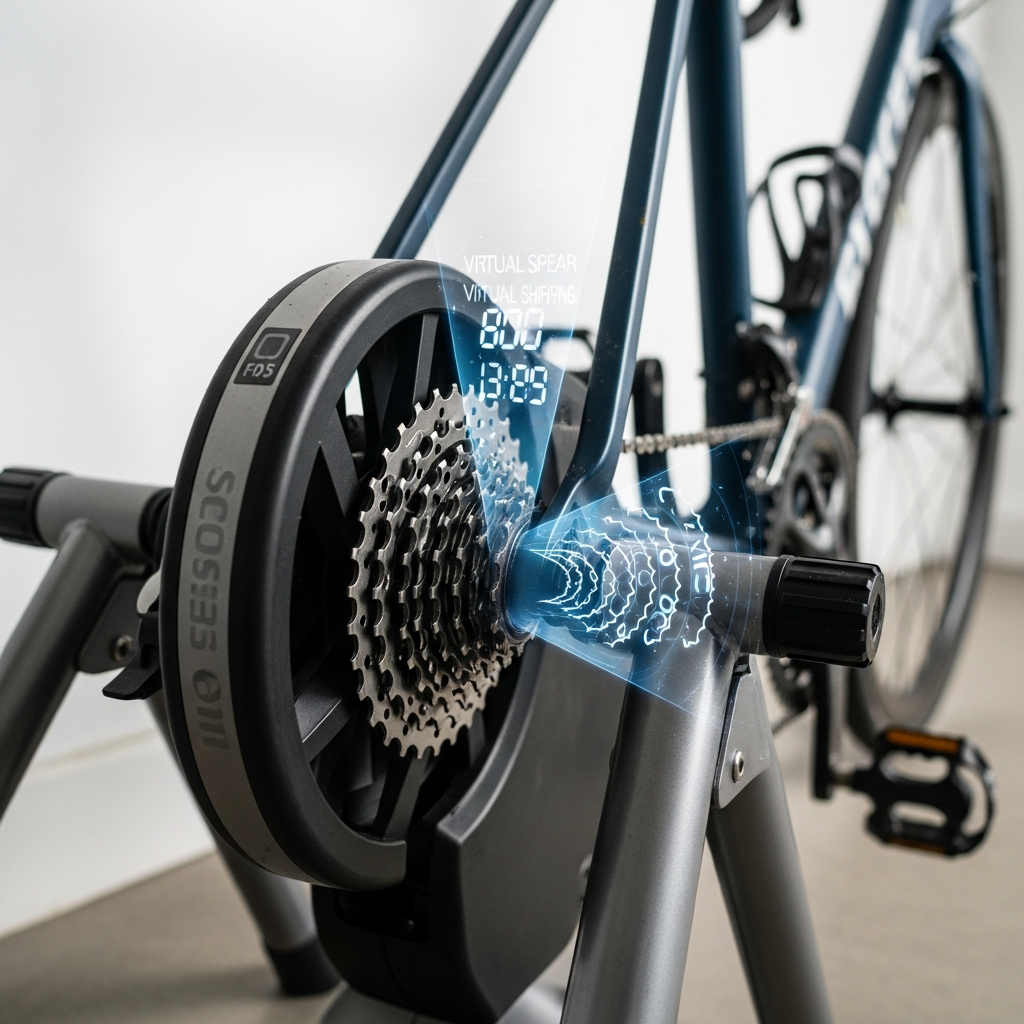
The KICKR CORE Zwift One keeps everything that made the CORE good — ±2% power accuracy, 1,800-watt max resistance, proven direct-drive design. What it adds is Zwift’s Cog, a single-speed rear cog that replaces the traditional cassette. Instead of shifting mechanically with your derailleur, you shift virtually through the Zwift app. Same concept as the Hub One, but built on substantially better hardware.
The original KICKR CORE with a standard cassette is still available if you want a traditional direct-drive trainer that works with any platform — Zwift, TrainerRoad, Rouvy, whatever.
If You Own a Wahoo KICKR — Nothing to Worry About
Your KICKR, KICKR CORE, or KICKR SNAP works exactly the same as before the merger. The acquisition changed who signs paychecks for the engineering team. It didn’t touch the firmware, the Bluetooth/ANT+ protocols, or the compatibility of your existing hardware.
Breaking it down:
Zwift compatibility: Unchanged. Your Wahoo trainer already worked with Zwift. Still does.
TrainerRoad, Rouvy, and other apps: Still work fine. Wahoo trainers broadcast over standard Bluetooth and ANT+ protocols. The merger didn’t lock anything to Zwift. Use whatever training app you prefer.
Wahoo app: Still available. Firmware updates, spindown calibration, and trainer settings still go through the Wahoo app. No changes.
Future firmware updates: Wahoo has confirmed continued support for existing KICKR models. If anything, having Zwift’s software resources involved might actually improve firmware quality over time. But right now, nothing changes for your day-to-day riding.
If You Own a Zwift Hub One — Yours Still Works
The Hub One being “discontinued” means Zwift stopped manufacturing new units. It does not mean your existing Hub One stops functioning. Your trainer connects to Zwift the same way it always did, virtual shifting still works, and the Cog is still supported.
A few honest notes about what to expect going forward:
Virtual shifting: Still works in Zwift. The Cog technology is the same system now built into the KICKR CORE Zwift One, so Zwift has strong motivation to keep supporting it — it’s not orphaned tech.
Replacement parts: If something breaks, replacement Cogs and belt components should remain available through Zwift support. They stopped producing full units, not service parts.
No Hub Two coming. If you were holding out for a next-generation Hub with better accuracy or higher resistance, that product doesn’t exist anymore. The KICKR CORE Zwift One is the successor. But your Hub One doesn’t need a successor to keep working — it still does what it did when you unboxed it.
Long-term support — the honest caveat. Discontinued products eventually lose firmware support. It probably won’t happen for a couple of years at least, but five years from now the Hub One may stop getting updates while the KICKR CORE Zwift One will still be actively maintained. That’s the reality of buying hardware from any company — eventually, support shifts to newer models.
What to Buy Today
If you’re shopping for a trainer right now, the merger actually simplified things:
Want virtual shifting (no cassette, shift through the app): The KICKR CORE Zwift One is the only current option with this feature. It’s a meaningfully better trainer than the Hub One it replaced — more accurate power measurement, better build quality, and the same virtual shifting experience.
Want a traditional direct-drive trainer (cassette, works with every app): The KICKR CORE is still available, still excellent, and still works with Zwift, TrainerRoad, Rouvy, or whatever platform you prefer.
Budget-conscious: The KICKR SNAP (wheel-on) remains the entry point into the Wahoo lineup. It’s not discontinued, it’s not going anywhere, and it works with everything.
The merger was a net positive for riders. The best trainer hardware now has the biggest software platform behind it. Your existing gear still works regardless of which brand you bought. The new combined products are better than either company produced separately. And nothing got locked down — your Wahoo trainer still talks to every app it always has.



Stay in the loop
Get the latest cycle train central updates delivered to your inbox.