Training Tips for Young Cyclists
Coached a youth cycling program for two summers. The kids who improved the most weren’t necessarily the most talented — they were the ones who trained smart and stayed consistent. Here’s what actually works for developing young riders.
Start With Fit
A bike that fits makes everything else possible. Saddle height should allow a slight bend in the knee at the bottom of the pedal stroke. Handlebars should be reachable without stretching uncomfortably. Kids outgrow bikes fast — check fit every few months.
Don’t forget the helmet. Non-negotiable, every ride. Make it a habit that doesn’t require discussion.
Build Gradually
Young bodies adapt well but still need progressive loading. Start with short, comfortable rides. Add distance slowly — maybe 10-15% more each week. Include rest days.
Probably should have led with this: avoid pushing too hard too fast. Burned-out young athletes often quit entirely. Sustainable progress beats impressive short-term gains.
Mix Up the Training
Variety keeps things interesting and develops different skills. Include some of these in the weekly rotation:
Easy rides: The foundation. Comfortable pace, conversation possible. Most training should be here.
Interval sprints: Short bursts of speed followed by recovery. Develops power and speed. Keep these fun, not grueling.
Hill work: Builds strength and mental toughness. Find a moderate hill, ride up, coast down, repeat. That’s what makes hill training endearing once you get stronger — you can feel the improvement.
Skills practice: Handling, cornering, braking. Set up cones or use a parking lot. Technical skills prevent crashes and build confidence.
Fuel and Recovery
Young athletes need proper nutrition. Healthy snacks before and after rides — bananas, granola bars, sandwiches. Adequate hydration, especially in warm weather.
Sleep is when adaptation happens. Growing bodies need more rest than adults. Don’t sacrifice sleep for extra training.
Ride Together
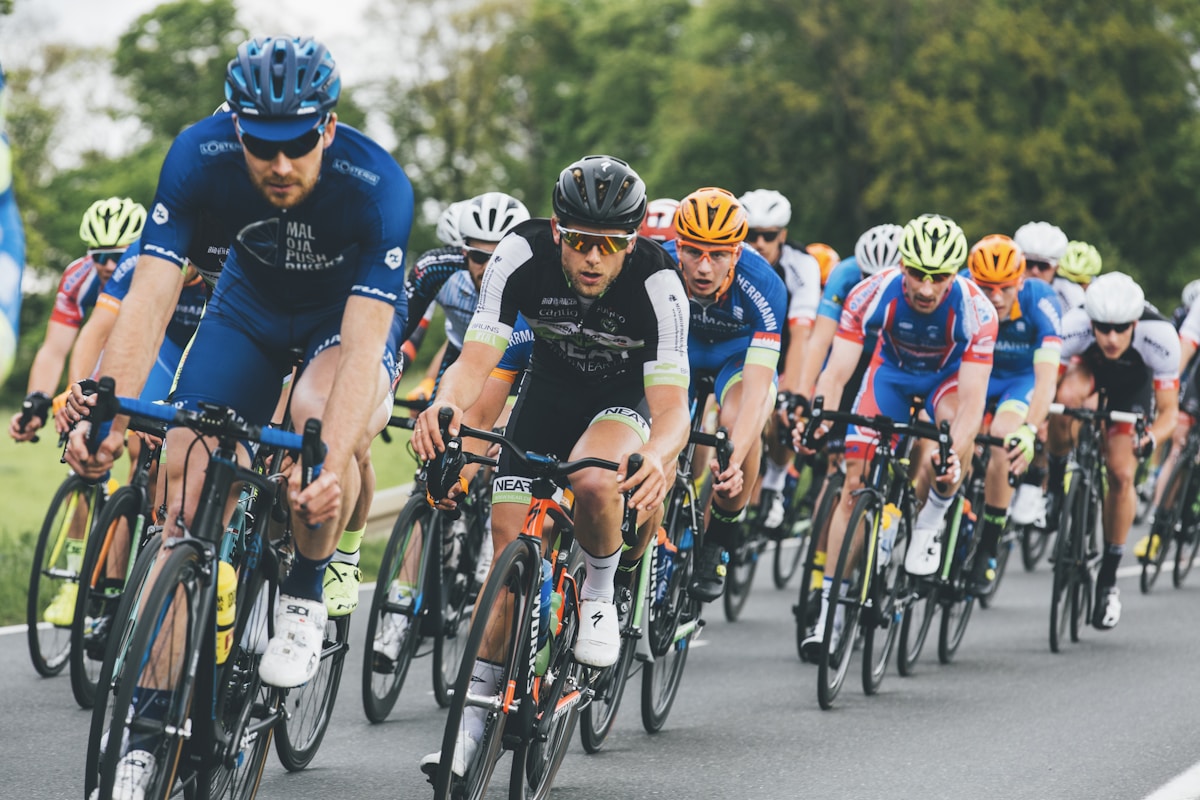
Group rides teach drafting, paceline skills, and bike handling in traffic. They’re also more fun than solo riding for most kids. Join a youth cycling club if one exists nearby.
Parents riding with kids can model good habits and create shared experiences. Just be careful about pace — the adult’s “easy” might be the kid’s “hard.”
Keep It Fun
This is the most important principle. Kids who enjoy riding keep riding. Those who find it tedious or punishing quit. Training should feel like play more often than work.
Set achievable goals. Celebrate improvements. Don’t compare kids to each other — compare them to their own previous performance.
Safety Basics
Teach road awareness from the start. Look before changing lanes. Use hand signals. Be predictable. Assume drivers don’t see you.
Start on bike paths and quiet streets. Graduate to busier roads as skills and awareness develop. Riding with an adult until comfortable with traffic is wise.
When to Get Serious
Most kids don’t need structured training programs. Having fun and building love for the sport matters more than periodization and power zones.
If a kid shows genuine interest in competition, around age 13-15 is when more formal training can begin. Before that, just ride.
Recommended Cycling Gear
Garmin Edge 1040 GPS Bike Computer – $549.00
Premium GPS with advanced navigation.
Park Tool Bicycle Repair Stand – $259.95
Professional-grade home mechanic stand.
As an Amazon Associate, we earn from qualifying purchases.


Stay in the loop
Get the latest wildlife research and conservation news delivered to your inbox.