Avoiding Cycling Injuries (Lessons Learned the Hard Way)
Dealt with knee pain for three months after ramping up training too fast. Wrist numbness that took weeks to resolve. A lower back issue that still flares up occasionally. All preventable if I’d known what I know now. Here’s what actually causes cycling injuries and how to avoid them.
The Common Problems
Knee Pain
Most frequent cycling complaint. Usually stems from saddle too low, saddle too high, or cleats positioned wrong. Overuse without adequate recovery also contributes. Patellar tendinitis — pain at the front of the knee — is the classic result.
Lower Back Pain
Often from poor bike fit, weak core muscles, or both. Being stretched too long between saddle and handlebars strains the back. Hunching because handlebars are too low does the same thing.
Neck and Shoulder Pain
Maintaining a fixed head position for hours causes strain. Aggressive positioning with low handlebars makes this worse. Gripping handlebars too tightly contributes too.
Hand and Wrist Issues
Handlebar palsy — numbness in the hands — comes from sustained pressure on the ulnar nerve. Common in riders who don’t change hand positions frequently or who have too much weight on their hands.
Head Injuries
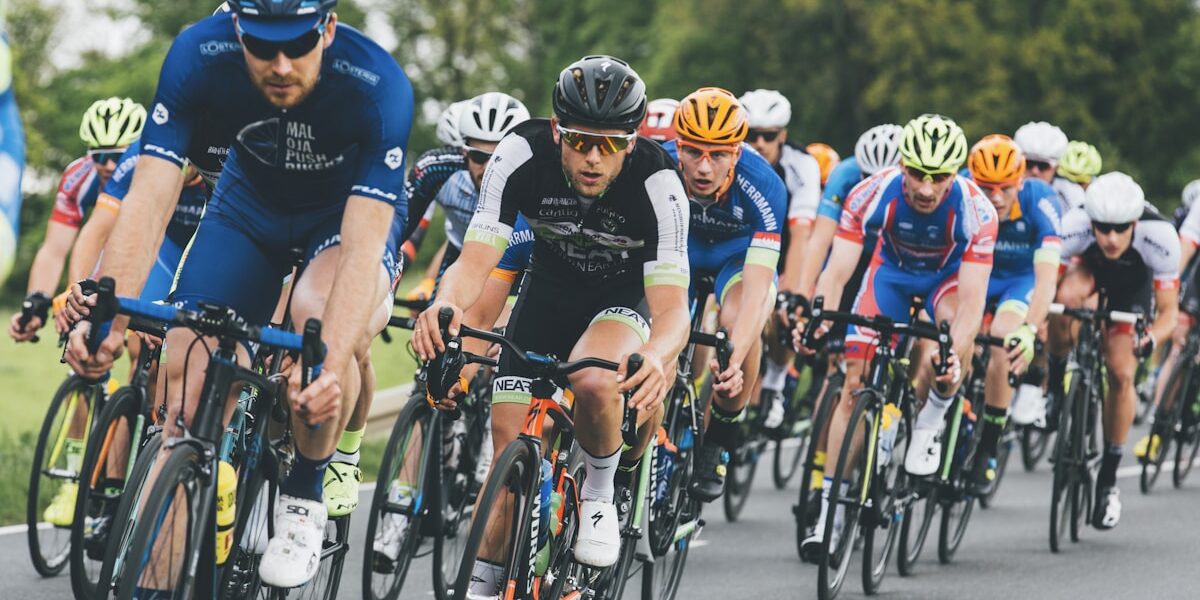
The serious ones. Falls and collisions cause concussions and worse. Helmets help but don’t eliminate risk. Prevention means riding defensively and wearing protection.
Prevention That Works
Get Your Bike Fit Right
Probably should have led with this section, honestly. Proper fit prevents most overuse injuries. Saddle height, fore/aft position, handlebar reach and drop — all affect how forces distribute through your body.
Professional fitting costs money but often solves problems immediately. Worth it if you ride regularly or have persistent issues.
Build Gradually
The biggest mistake new and returning riders make. Sudden increases in volume or intensity overwhelm your body’s adaptation capacity. Follow the 10% rule — increase weekly volume no more than 10% from week to week.
Strengthen Off the Bike
Core strength supports proper position. Leg strength improves power without overloading tendons. Shoulder and neck mobility prevents strain. Two or three sessions weekly of focused strength work prevents a lot of cycling problems.
Pay Attention to Technique
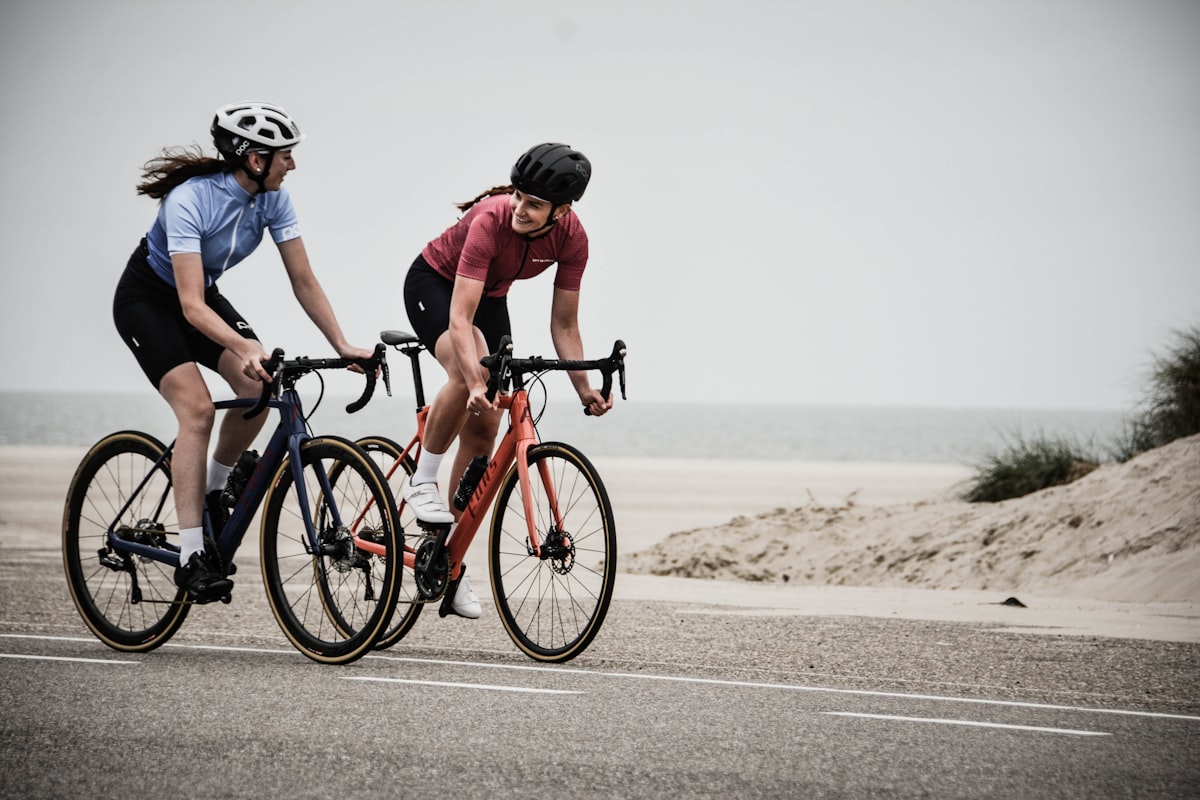
Relaxed grip. Slight bend in elbows. Weight distributed between saddle and pedals, not concentrated on hands. Periodic hand position changes. Smooth pedal stroke rather than mashing.
Use Proper Equipment
Helmet always. Padded gloves reduce hand pressure. Quality shorts with chamois prevent saddle sores. Correct shoe/cleat setup matters for knee alignment.
When Things Go Wrong
Initial Response
For acute injuries: rest, ice, compression, elevation. Stop the activity that caused the problem. Give your body time to respond before deciding next steps.
Persistent Problems
If pain continues beyond a few days of rest, see someone who knows cycling injuries. Physical therapists who work with cyclists understand the specific demands. They can identify root causes and provide targeted treatment.
Listen to Warning Signs
Pain during riding that worsens is a problem. Pushing through makes things worse. Mild discomfort that resolves after warming up is different from pain that builds during rides.
Staying Safe on Roads
- Bright clothing helps visibility — especially important in low light
- Lights front and rear, even during day
- Follow traffic rules — predictability keeps you safer than unpredictability
- Stay alert for hazards: cars, pedestrians, road debris, dogs
- Signal turns and stops clearly
The Long Game
Cycling injuries often result from accumulated stress rather than single incidents. The rider who gradually develops knee pain from poor cleat position. The commuter whose back slowly tightens from a too-aggressive position. The enthusiast who ramps up spring training faster than their body can adapt.
Prevention is mostly about respect for the process: proper setup, gradual progression, attention to warning signs. That’s what makes long cycling careers possible — consistent attention to the small things that prevent the big problems.
Recommended Cycling Gear
Garmin Edge 1040 GPS Bike Computer – $549.00
Premium GPS with advanced navigation.
Park Tool Bicycle Repair Stand – $259.95
Professional-grade home mechanic stand.
As an Amazon Associate, we earn from qualifying purchases.

Stay in the loop
Get the latest wildlife research and conservation news delivered to your inbox.