
Top 5 Cycling Training Tips
Cycling training advice has gotten overwhelming with all the structured plans, power meter protocols, and polarized vs. threshold debates flying around. Here are the five things that made the biggest difference in my own riding — kept simple, because overcomplicating training is its own trap.
1. Get Your Bike Fit Right
Before any other training consideration, your position on the bike needs to work for your body. A saddle that’s even 10mm too high or too low changes the biomechanics of your pedal stroke in ways that show up as knee pain on longer rides. Your reach to the bars, cleat position, and saddle height all interact. I spent a rainy Tuesday having a proper fit done and came out with a saddle drop that felt bizarre for the first two rides before becoming completely natural. Don’t forget the basics: helmet, gloves, water bottle. Safety and hydration aren’t negotiable even on training rides.
2. Build Distance Gradually
Starting with long rides before your body is ready doesn’t build fitness faster — it builds fatigue and injury risk. Begin with shorter distances and add volume incrementally over weeks. A good rule: don’t increase your weekly distance by more than 10% from one week to the next. The roads will still be there. Having ridden with plenty of people who came back too hard after a layoff, I’ve watched this play out repeatedly.
3. Train Across Different Intensities
Riding the same pace every time is one of the most common training mistakes. Your aerobic system develops best with a mix of low-intensity endurance work and high-intensity efforts — climbs, tempo intervals, sprints. Each type of effort creates a different physiological adaptation. I’m apparently someone who defaults to the same comfortable pace unless I deliberately plan something different, which is why scheduling specific interval or hill days works better for me than vague intentions to “go harder sometimes.”
4. Rest and Fuel Like Your Training Depends on It
Because it does. Muscles don’t grow during rides — they adapt during recovery. Sleep, rest days, and nutrition aren’t soft add-ons to your training plan; they’re where the actual improvement happens. Eating well on training days matters more than most riders want to acknowledge. Bananas, complex carbs, adequate protein. Basic stuff that makes a meaningful difference.
5. Ride with Other People
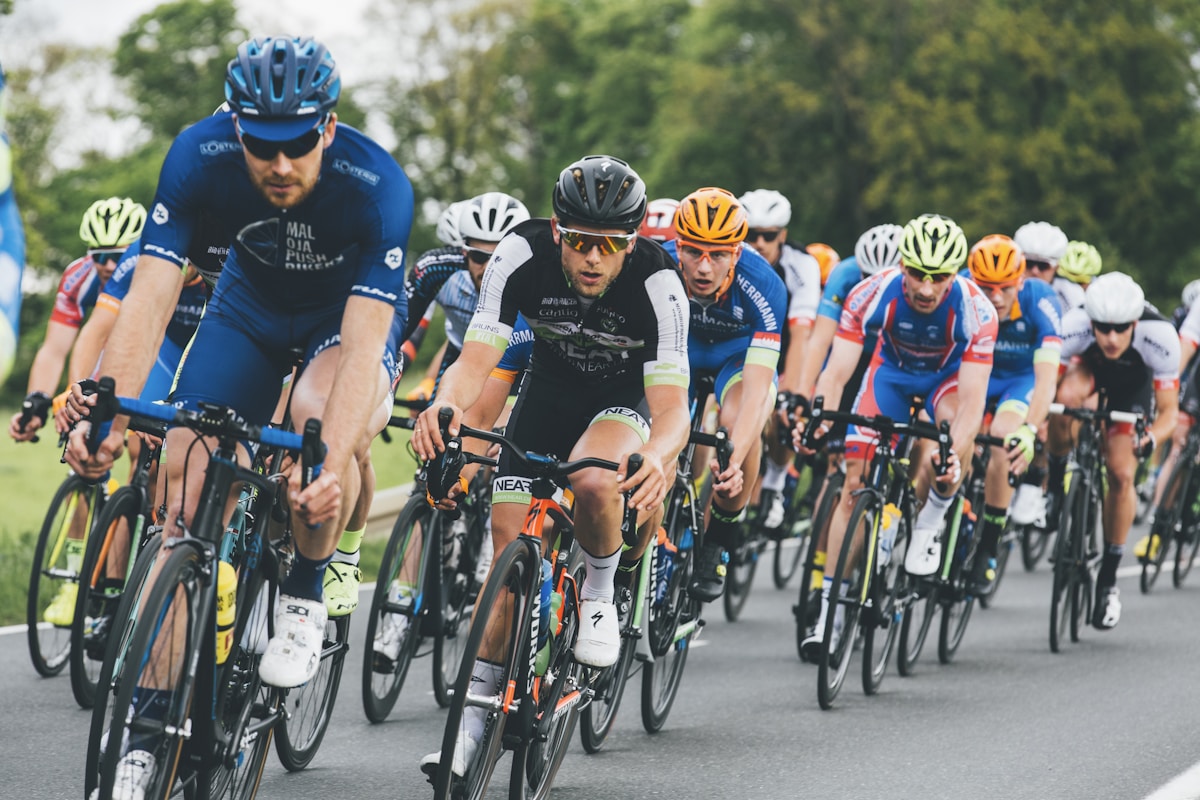
Group riding accelerates development in ways that solo training can’t replicate. You learn to ride in a peloton safely, you naturally push harder to keep up with better riders, and the accountability of meeting people at a specific time reduces the temptation to skip a session. Local cycling clubs run group rides across multiple ability levels. Even one group ride per week alongside your solo sessions changes the character of your training substantially.
These five fundamentals apply whether you’re riding your first century or preparing for your third race season. The details of training plans change, but the foundation — good fit, gradual progression, varied intensity, adequate recovery, and community — stays consistent at every level.



Stay in the loop
Get the latest cycle train central updates delivered to your inbox.