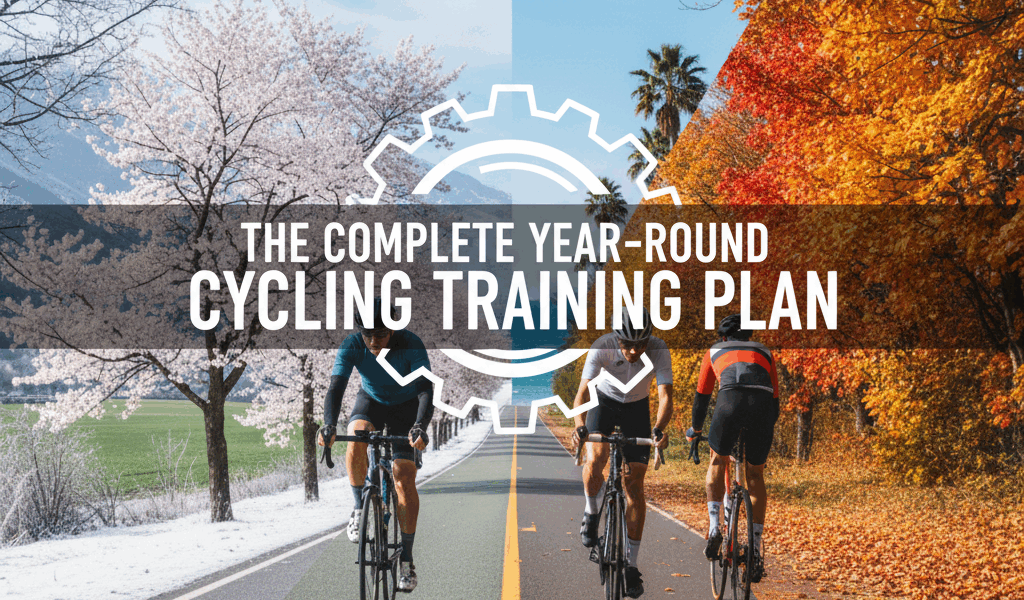
The Complete Year Round Cycling Training Plan

Understanding the Annual Training Cycle

A successful year of cycling requires more than just riding hard every day. The periodization approach, used by professional athletes for decades, breaks your training year into distinct phases that build upon each other to reach peak fitness at the right time.

Most recreational cyclists make the mistake of training at moderate intensity year-round. This approach leads to plateaus, burnout, and missed performance potential. By understanding and implementing a structured annual plan, you can break through limitations and reach new levels of fitness.

Phase 1: The Off-Season Foundation (November through January)

The off-season is not about doing nothing. It is about active recovery and building the aerobic foundation that supports everything else. During this phase, your primary goals are recovery from the previous season, addressing any physical imbalances, and establishing the base for harder training ahead.

Training during this phase should focus on Zone 1 and Zone 2 riding, typically at 55-75% of your functional threshold power. Volume is moderate, usually 6-10 hours per week depending on your experience level. The key is consistency rather than intensity.

Cross-training becomes valuable during the off-season. Activities like running, swimming, or strength training add variety while maintaining cardiovascular fitness. Many cyclists neglect strength work, but building muscular endurance during the off-season pays dividends when racing season arrives.

A typical off-season week might include three to four easy rides, two strength training sessions, and one cross-training activity. The emphasis is on enjoyment and building habits that will sustain you through harder training phases.

Phase 2: Base Building (February through March)

Base building extends the aerobic foundation established in the off-season while gradually introducing more structure. Training volume increases while intensity remains primarily in Zone 2, with occasional Zone 3 tempo efforts.

During this phase, you are building the mitochondrial density and capillary networks that will support high-intensity work later. Skipping or shortening base training is tempting but leads to performance limitations down the road.

Weekly volume typically increases 10-15% from off-season levels. A cyclist who rode 8 hours per week during the off-season might increase to 10-12 hours during base building. The longest ride of the week should gradually extend, building the endurance needed for longer events.

Tempo efforts of 10-20 minutes at Zone 3 power can be introduced once or twice per week. These efforts improve your ability to sustain moderate intensity and prepare your body for harder interval work in the next phase.

Strength training continues but shifts focus from general conditioning to cycling-specific movements. Single-leg exercises, core stability work, and hip strength become priorities.

Phase 3: Build Phase (April through May)

The build phase introduces structured intervals at threshold and above-threshold intensities. This is where the real transformation happens, as your body adapts to increasingly demanding workouts.

Training structure becomes more specific during this phase. A typical week includes two hard interval sessions, one tempo ride, one long endurance ride, and active recovery days. Total volume may stay similar to base building or decrease slightly as intensity increases.

Sweet spot training at 88-93% of FTP forms the foundation of many build phase workouts. These efforts are hard enough to drive adaptation but sustainable enough to accumulate significant training stress without excessive fatigue.

Threshold intervals at 95-105% of FTP develop your ability to sustain race-pace efforts. Start with shorter intervals of 5-8 minutes and progress to longer 15-20 minute efforts as fitness improves.

VO2max intervals enter the training mix during late build phase. These short, intense efforts at 106-120% of FTP raise your aerobic ceiling and improve your ability to respond to attacks or push through difficult moments in races.

Phase 4: Peak and Race Season (June through September)

Peak phase training is about sharpening fitness while managing fatigue. Volume typically decreases while intensity of key workouts remains high or even increases. The goal is arriving at target events fresh and ready to perform.

Racing itself becomes a primary training stimulus during this phase. The intensity and unpredictability of race efforts provide stimulus that is difficult to replicate in training. Plan your racing calendar around key events, using smaller races as preparation.

Between races, training maintains intensity while carefully managing recovery. A common pattern is hard efforts Tuesday and Thursday, with recovery or rest on other days, leading into weekend racing.

Taper periods before key events reduce training load while maintaining intensity. A typical taper reduces volume by 40-60% while keeping some high-intensity efforts to maintain sharpness.

Phase 5: Transition and Recovery (October)

After the racing season, a transition period allows both physical and mental recovery. Training structure loosens, volume decreases, and the emphasis shifts to enjoyment and recovery.

This phase typically lasts 2-4 weeks depending on the demands of your season. Riding should be unstructured and enjoyable. If you do not feel like riding, other activities are perfectly appropriate.

The transition period is also time for reflection and planning. Review your season, identify areas for improvement, and begin thinking about goals for the next year.

Monitoring and Adjusting Your Plan

No training plan survives contact with reality unchanged. Life stress, illness, work demands, and other factors require flexibility. Learning to read your body and adjust training accordingly is essential for long-term development.

Key metrics to monitor include morning heart rate, sleep quality, motivation levels, and power output relative to perceived effort. Significant changes in any of these can indicate the need for more recovery or training adjustments.

Training platforms like TrainingPeaks, Strava, or Intervals.icu can help track long-term trends and identify patterns. The key is using data to inform decisions rather than blindly following numbers.

Nutrition Through the Training Year

Nutritional needs change through the training year. During high-volume base building, caloric needs increase significantly. During peak phase when volume drops, caloric intake should decrease accordingly.

Protein needs remain relatively consistent at 1.4-2.0 grams per kilogram of body weight. Timing protein intake around training sessions optimizes recovery and adaptation.

Carbohydrate periodization has gained popularity among cyclists. Training with lower carbohydrate availability during some sessions may enhance fat oxidation, while ensuring adequate carbohydrates for hard sessions and racing is essential for performance.

Common Mistakes to Avoid

Going too hard too early is the most common training mistake. Building intensity before establishing a proper aerobic base leads to early-season burnout and plateaued performance when it matters most.

Neglecting recovery is equally problematic. Adaptation happens during rest, not during training. Many amateur cyclists would improve more by training less and recovering better.

Inconsistent training undermines long-term development. Three consistent weeks of moderate training produces better results than one massive week followed by forced rest due to fatigue or injury.

Putting It All Together

A year-round training plan provides structure while allowing flexibility. The key principles remain consistent: build aerobic foundation first, progressively introduce intensity, peak for key events, and allow proper recovery.

Your specific plan will depend on your goals, available time, and life circumstances. A cyclist targeting a June event will structure their year differently than someone peaking for September racing.

Work with a coach if possible, or use training software that can help structure periodization. The investment in proper planning pays dividends in performance and enjoyment throughout the cycling season.

Remember that consistency over years matters more than perfection in any single week or month. Build sustainable habits, listen to your body, and trust the process of structured training.

Sample Weekly Training Schedules by Phase

To help you implement periodization, here are sample weekly schedules for each phase. These assume approximately 10-12 hours of training time available per week. Scale appropriately based on your time constraints.

Off-Season Week Example

Monday: Rest day or light yoga and stretching. Tuesday: 60-minute Zone 2 ride, keeping heart rate low and conversation easy. Wednesday: Strength training focusing on squats, deadlifts, and core work. Thursday: 90-minute Zone 2 ride with some spinning drills. Friday: Rest or light cross-training like swimming. Saturday: 2-hour easy group ride, social pace. Sunday: Strength training or 60-minute recovery spin.

Base Building Week Example

Monday: Rest day. Tuesday: 75-minute ride with 2×15 minutes Zone 3 tempo. Wednesday: Strength training with cycling-specific focus. Thursday: 90-minute Zone 2 endurance ride. Friday: Rest or 30-minute recovery spin. Saturday: 3-hour Zone 2 long ride. Sunday: 60-minute recovery ride or complete rest.

Build Phase Week Example

Monday: Rest day. Tuesday: 75-minute ride with 4×8 minutes at threshold with 4-minute recovery. Wednesday: 60-minute easy spin or rest. Thursday: 90-minute ride with 3×12 minutes sweet spot. Friday: Rest. Saturday: 2.5-hour endurance ride with some race-pace efforts. Sunday: 60-minute recovery ride.

Race Season Week Example

Monday: Complete rest. Tuesday: 60-minute ride with 6×30 second all-out sprints, full recovery between. Wednesday: 45-minute easy spin. Thursday: 45-minute openers ride with 3×2 minute race-pace efforts. Friday: Rest. Saturday: Race. Sunday: 90-minute recovery ride.

Equipment Considerations Through the Year

Different phases of training call for different equipment approaches. During the off-season and base building, training on your everyday bike makes sense. Save race wheels and specialized equipment for the racing season when the marginal gains matter most.

Winter training may require different gear depending on your climate. Indoor trainers, appropriate cold-weather clothing, and reliable lights for reduced daylight hours become essential. Investing in quality winter training gear makes consistency easier.

During race season, ensure your race equipment is dialed in well before key events. Test any new equipment during training, not on race day. The build phase is ideal for finalizing position changes or equipment switches.

Mental Preparation and Goal Setting

Physical training is only part of the equation. Mental preparation through the training year is equally important. The off-season is ideal for setting goals and visualizing success. Build phase is when mental toughness develops through challenging workouts.

Process goals often matter more than outcome goals. Rather than focusing solely on placing in a race, focus on executing your race plan, hitting training targets, and maintaining consistency. The outcomes tend to follow from process excellence.

Keep a training journal to track not just physical metrics but also mental state, motivation, and enjoyment. Patterns often emerge that help you understand what conditions lead to your best performances.

Working with Limited Time

Not everyone has 10-15 hours per week to train. If you have less time available, the principles still apply, but execution changes. Prioritize quality over quantity, and ensure recovery remains adequate relative to training stress.

High-intensity training becomes more important with limited time. When you can only ride 5-6 hours per week, those hours need to count. Include 2-3 high-intensity sessions and make remaining time count as true recovery or Zone 2 work.

Weekend long rides may be your primary opportunity for extended duration. Make the most of these by staying focused and keeping the effort appropriate for your training phase.

Recovery Tools and Techniques

Recovery is trainable, just like fitness. Sleep hygiene, nutrition timing, hydration, and active recovery all contribute to your ability to absorb training stress and come back stronger.

Sleep is non-negotiable. Most athletes need 7-9 hours of quality sleep. Create a consistent sleep schedule and optimize your sleeping environment. Avoid screens before bed and keep your room cool and dark.

Nutrition immediately post-workout jumpstarts recovery. Consume protein and carbohydrates within 30-60 minutes of finishing hard sessions. A 3:1 or 4:1 carbohydrate to protein ratio works well for most cyclists.

Foam rolling, stretching, and massage can help maintain mobility and reduce muscle tension. While these do not replace sleep and nutrition, they can be valuable additions to a complete recovery routine.

Adapting to Life Changes

Life rarely cooperates perfectly with training plans. Work demands, family obligations, illness, and travel all disrupt training. The best athletes are not those who never face disruptions, but those who adapt effectively.

When disruptions occur, prioritize maintaining some training consistency over hitting specific workout targets. Even reduced training maintains fitness better than complete stops followed by rushed catch-up efforts.

Build flexibility into your plan from the start. Having backup workouts and knowing which sessions are truly essential versus optional helps you make smart decisions when time is limited.

Long-term athletic development requires patience and perspective. A week of missed training is insignificant over a career of consistent effort. Focus on the bigger picture and avoid catastrophizing about short-term setbacks.

Age Considerations in Annual Planning

Training needs change with age. Masters cyclists often benefit from more recovery time between hard sessions while maintaining the ability to produce high-quality efforts. If you are over 40, consider spacing hard workouts further apart and paying extra attention to recovery.

Younger cyclists can often handle higher training volumes and more frequent intensity. However, they should still respect periodization principles and avoid the temptation to race too frequently without proper preparation phases.

Regardless of age, the fundamental principles of progressive overload, specificity, and recovery remain constant. Adjust the details to match your individual recovery capacity and life circumstances.

Technology and Training

Modern training technology provides unprecedented insight into performance. Power meters, heart rate monitors, and training analysis software can help optimize your training when used wisely.

However, technology should inform decisions, not make them for you. Learning to read your body remains essential. No algorithm can fully account for the complexity of human performance and recovery.

Use technology to track trends and validate subjective feelings. When power data and perceived effort diverge significantly, pay attention. This often signals either exceptional freshness or developing fatigue that warrants attention.

Building Your Support System

Successful year-round training requires support from those around you. Communicate your goals and training needs with family and friends. Help them understand why certain weeks require more commitment than others.

Training partners and group rides provide motivation and accountability. Finding others with similar goals can make the hard days easier and the easy days more enjoyable.

Consider working with a coach, even temporarily, to establish proper training habits and periodization structure. A good coach can accelerate your learning curve and help you avoid common mistakes.

Conclusion

Building a successful year-round training plan requires understanding the principles of periodization and applying them to your individual circumstances. Start with building a strong aerobic base, progressively introduce intensity, peak for your key events, and allow proper recovery.

Remember that this is a long-term process. Each year of consistent, well-structured training builds upon the previous ones. Focus on sustainable practices, listen to your body, and enjoy the journey of continuous improvement.

Your best performances often come not from dramatic training changes but from years of patient, consistent work. Trust the process, make adjustments when needed, and keep riding.

Emily Carter

Emily Carter

Author & Expert

Emily Carter is a home gardener based in the Pacific Northwest with a passion for organic vegetable gardening and native plant landscaping. She has been tending her own backyard garden for over a decade and enjoys sharing practical tips for growing food and flowers in the region's rainy climate.

368 Articles
View All Posts

Subscribe for Updates

Get the latest articles delivered to your inbox.