Understanding Bike Gears (Finally)
Rode for years without really understanding gears. Shifted when things felt hard, shifted back when they felt easy. Eventually decided to actually learn what was happening down there. Turns out gears are logical once someone explains them properly.
The Basic Concept
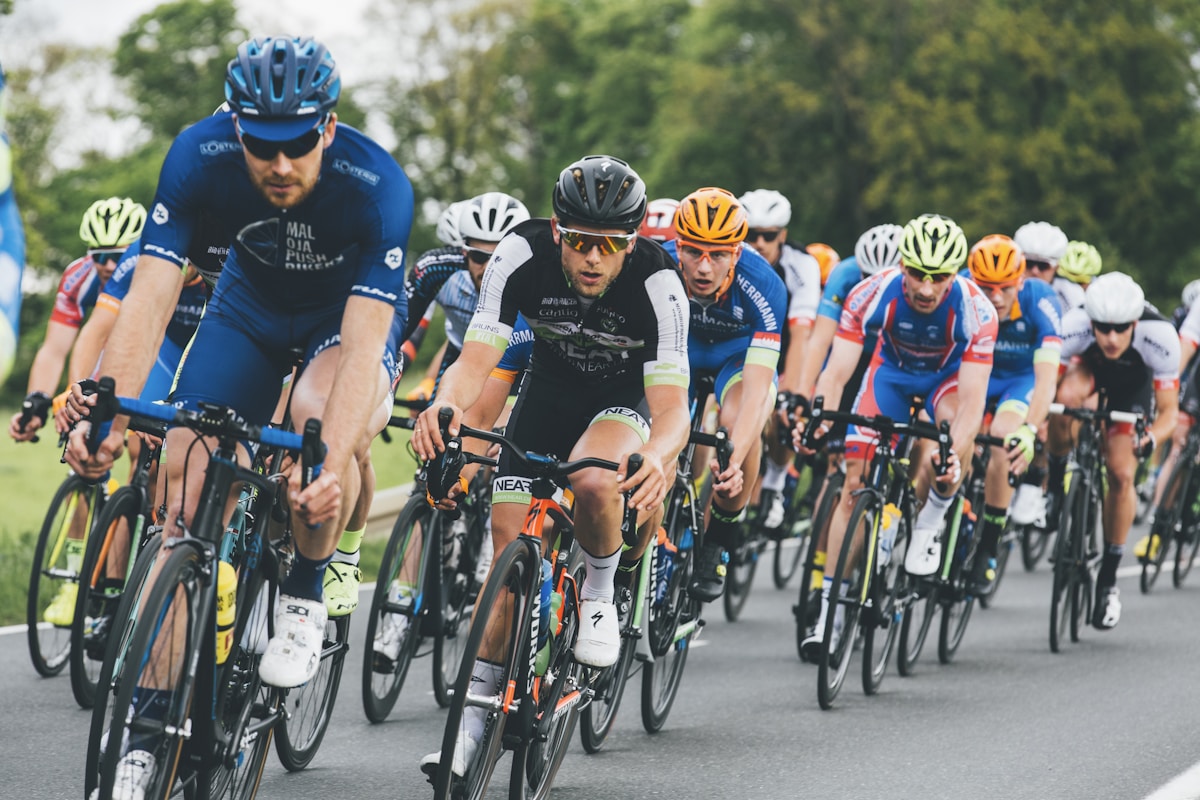
Gears change how hard you work relative to how fast the wheel turns. Low gears make pedaling easier but you travel less distance per revolution. High gears require more force but cover more ground. The goal is maintaining a consistent pedaling effort across varying terrain.
What’s Actually Down There
Chainrings: The big cogs attached to your pedals. One, two, or three depending on your bike. Bigger chainrings = harder to pedal but faster.
Cassette: The stack of cogs on your rear wheel. Usually 8-12 gears these days. Bigger cogs = easier to pedal but slower.
Derailleurs: The mechanisms that push the chain between gears. Front derailleur moves chain between chainrings. Rear derailleur moves it between cassette cogs.
Shifters: Controls on your handlebars that operate the derailleurs.
Two Main Systems
Derailleur Gears
What most bikes use. Chain moves between exposed cogs. Light, efficient, wide gear range. Requires periodic adjustment and cleaning. Exposed to weather and debris.
Internal Hub Gears
Gears enclosed inside the rear hub. More durable, less maintenance, can shift while stopped. Heavier, more expensive, fewer gear options. Popular on city bikes and commuters.
Using Gears Effectively
Shift before you need to. Anticipate hills rather than grinding into them. Shift while pedaling lightly — the chain moves better under reduced tension.
Avoid cross-chaining: don’t run the chain from the biggest chainring to the biggest cog (or smallest to smallest). This stresses the chain diagonally and accelerates wear.
Aim for consistent cadence. Shifting should keep your pedaling rhythm steady whether climbing or descending. That’s what makes good shifting endearing to us — it feels effortless when done right.
Common Problems
Skipping Gears
Usually cable tension. Turn the barrel adjuster to add tension. If still skipping, cables might need replacement or derailleurs might need alignment.
Chain Dropping
Often from worn chain, improper front derailleur adjustment, or rough shifting technique. Check chain wear, adjust limit screws, shift more smoothly.
Grinding Noise
Chain rubbing on derailleur or adjacent cog. Needs cable tension adjustment or derailleur alignment.
Basic Maintenance
Clean the drivetrain regularly. Dirt grinds everything down. Lubricate the chain after cleaning and periodically between cleanings. Check cable tension and derailleur alignment every few weeks.
Replace chains before they’re worn. Worn chains accelerate wear on everything else. A chain checker tool makes this simple.
Modern Innovations
Electronic shifting: Battery-powered derailleurs controlled by buttons. Precise, consistent, expensive. Shimano Di2 and SRAM eTap are the main options.
1x drivetrains: Single chainring, wide-range cassette. Simpler, lighter, fewer choices to make. Popular on mountain bikes, increasingly common on gravel and road.
Internal gear hubs: Enclosed, low-maintenance shifting. Rohloff and Shimano Alfine are quality options.
What to Look For When Buying
More gears isn’t always better. What matters is having the right range for your terrain and riding style. A commuter might want easier low gears. A racer wants higher top gears. The spread matters more than the count.
Component quality matters for shifting feel and durability. Shimano, SRAM, and Campagnolo make reliable groups at various price points. Higher-end components shift better and last longer.
Learning Curve
Takes a few rides to internalize good shifting habits. Practice shifting before hills, during easy pedaling, and in anticipation rather than reaction. Eventually it becomes automatic.
Recommended Cycling Gear
Garmin Edge 1040 GPS Bike Computer – $549.00
Premium GPS with advanced navigation.
Park Tool Bicycle Repair Stand – $259.95
Professional-grade home mechanic stand.
As an Amazon Associate, we earn from qualifying purchases.

Stay in the loop
Get the latest wildlife research and conservation news delivered to your inbox.