How Far Should You Cycle Each Day?
New riders ask this constantly. Experienced riders remember asking it themselves. The unsatisfying answer: it depends. But that doesn’t mean we can’t break down what it depends on and help you find your own number.
What’s Your Goal?
General fitness: 15-30 km a few times per week provides substantial health benefits without demanding excessive time.
Weight management: Longer, more frequent rides burn more calories. 20-40 km rides 4-5 times weekly accelerates fat loss.
Event training: Building toward a specific distance requires progressive overload. Century preparation might peak at 100+ km long rides.
Commuting: Distance is fixed by geography. The question becomes frequency — daily or a few times per week?
Starting Points by Experience
Absolute beginners: 5-15 km is plenty. Build basic conditioning, learn bike handling, develop saddle tolerance. Increase gradually as fitness improves.
Returning riders: 15-30 km for initial rides. Fitness returns faster than you’d expect, but joints and connective tissue need time to readapt.
Regular recreational riders: 30-50 km is comfortable territory. Weekly volume might total 100-200 km across several rides.
Serious enthusiasts: 50-100 km rides become normal. Weekly totals push 200-400 km during peak training.
The Recovery Factor
More isn’t always better. Recovery enables adaptation. Riding hard every day leads to accumulated fatigue rather than improvement.
Alternate harder and easier days. Include complete rest days. Sleep matters enormously. That’s what makes sustainable training endearing to us long-term cyclists — consistency over time beats occasional heroic efforts.
Health Benefits Research
Studies suggest significant health improvements from relatively modest cycling: 30 minutes at moderate intensity most days. That translates to roughly 10-20 km depending on terrain and pace.
Cardiovascular health, blood pressure, cholesterol levels, diabetes risk, mental health — all improve with regular moderate cycling. You don’t need extreme distances to capture most benefits.
Time Constraints
For most adults, available time limits cycling more than fitness does. A 50 km ride takes 2+ hours. Finding that window consistently is challenging.
Shorter, more frequent rides often work better than occasional long ones. Three 20 km rides may be more achievable than one 60 km ride — and the training effect is similar.
Listening to Your Body
Fatigue that resolves overnight is normal. Fatigue that accumulates over days suggests overtraining. Persistent soreness in joints or tendons needs attention.
Increase distance gradually — the 10% rule suggests no more than 10% additional volume week over week. This gives your body time to adapt.
Equipment Considerations
Proper bike fit enables longer comfortable distances. Poor fit creates hot spots and overuse issues that limit how far you can ride.
Quality shorts with good chamois matter more as distances increase. Nutrition and hydration become relevant for rides over 90 minutes.
Finding Your Number
Start with what’s comfortable. Note how you feel during and after rides. Gradually increase if you want more. Maintain consistency first, then add distance.
Your ideal daily distance is whatever allows consistent riding without burnout or injury. For some that’s 10 km. For others it’s 50. Both are valid depending on goals, schedule, and physical capacity.
The best distance is one you’ll actually ride, repeatedly, over time.
Recommended Cycling Gear
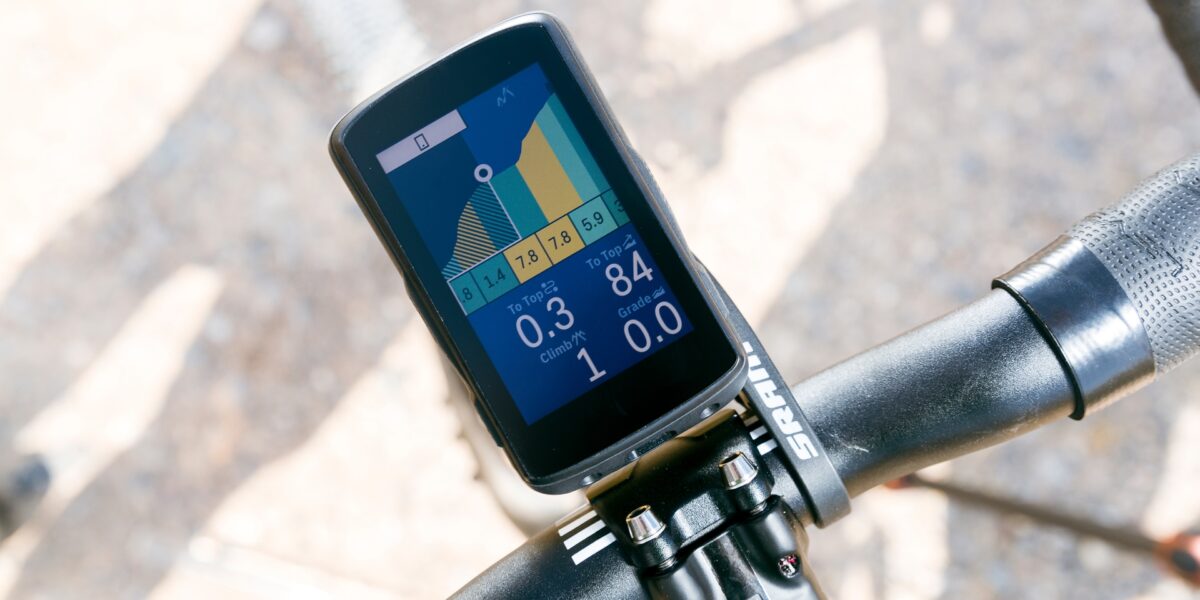
Garmin Edge 1040 GPS Bike Computer – $549.00
Premium GPS with advanced navigation.
Park Tool Bicycle Repair Stand – $259.95
Professional-grade home mechanic stand.
As an Amazon Associate, we earn from qualifying purchases.


Leave a Reply