Making Sense of Tour de France Stages
Watched my first Tour de France confused about everything. Why were some days exciting and others seemed like nothing happened? Why did riders celebrate winning a stage but someone else wore the yellow jersey? Took a few years of watching to understand how the whole thing fits together. Here’s the breakdown.
The Basic Structure
Three weeks of racing. Around 21 stages, though the exact number varies slightly each year. Two rest days scattered throughout. The rider with the lowest cumulative time at the end wins — not who wins the most stages.
Mountain Stages
These are where the race gets won or lost. The climbs in the Alps and Pyrenees separate contenders from everyone else. Pure climbers can gain minutes on rivals. That’s what makes mountain stages endearing to us cycling fans — they’re where the drama happens.
Descents are equally important. Some riders gain time going down that they lost going up. The skill required is different but equally valuable.
Flat Stages
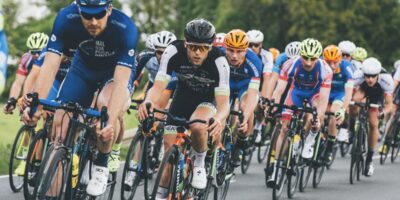
Look boring to casual viewers but require enormous tactical awareness. Sprinters’ teams control the pace for 200+ kilometers just to set up a final 30-second sprint. One mistake in positioning and all that work is wasted.
Wind makes flat stages dangerous. Crosswinds can split the peloton into groups separated by minutes. Riders who don’t pay attention lose the race on these “easy” days.
Time Trials
Riders race individually against the clock. No drafting, no tactics, just pure power and aerodynamics. Usually one or two per Tour, sometimes an individual TT and a team TT.
Specialists can make up significant time. Riders who struggle in time trials must gain enough time in the mountains to compensate.
Hilly Stages
Not quite mountains, not quite flat. Short, punchy climbs that suit different riders than the high alpine passes. Breakaways often succeed on these days because the general classification contenders don’t feel threatened enough to chase.
Cobbled Stages
Occasionally the Tour crosses sections of cobblestones famous from spring classics like Paris-Roubaix. These stages are chaotic — punctures, crashes, and mechanical failures change the race. Riders who handle cobbles well gain insurance; those who don’t live in fear of these days.
The Jerseys
Yellow Jersey
Worn by the overall leader in time. The most prestigious jersey and the one everyone remembers.
Green Jersey
Points classification. Sprinters accumulate points from stage finishes and intermediate sprints. Favors consistent high finishes over occasional wins.
Polka Dot Jersey
King of the Mountains. Points awarded at the top of categorized climbs. Bigger climbs mean more points. The best pure climbers compete for this.
White Jersey
Best young rider (under 26). Same criteria as yellow jersey but only young riders count. Often worn by future overall champions.
Team Tactics
Each team has eight riders serving different roles. Some protect the leader. Some chase breakaways. Some sacrifice their own chances to help teammates. The team dynamic is complex and often invisible to new viewers.
Teams with sprinters control flat stages. Teams with GC contenders control mountains. Understanding who wants what explains most of the race.
Breakaways
Small groups often race ahead of the main field. Most get caught before the finish, but sometimes they succeed. Breakaways are how lesser-known riders get their moments of glory.
Why Certain Days Feel Boring
Early flat stages often end in predictable bunch sprints. The general classification riders stay hidden in the peloton, conserving energy. Nothing seems to happen because no one wants anything to happen yet.
The race opens up in the second week. By then, you understand the stakes.
Recommended Cycling Gear
Garmin Edge 1040 GPS Bike Computer – $549.00
Premium GPS with advanced navigation.
Park Tool Bicycle Repair Stand – $259.95
Professional-grade home mechanic stand.
As an Amazon Associate, we earn from qualifying purchases.

Stay in the loop
Get the latest wildlife research and conservation news delivered to your inbox.