
Actually Understanding Road Bikes
Bought my first road bike based on whatever was on sale. Ended up with a race geometry frame that destroyed my back on anything over two hours. Second bike was researched properly. Made all the difference. Here’s what I wish I’d known earlier.
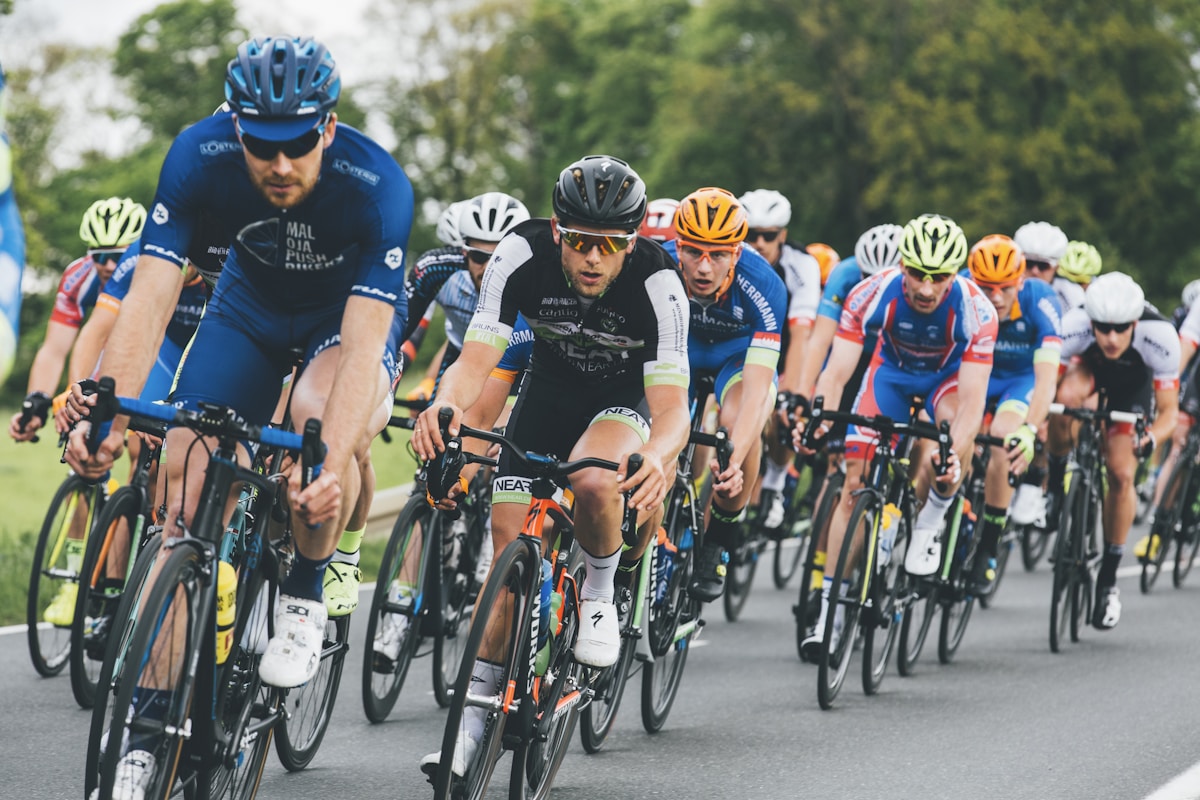
What Makes Them Road Bikes
Drop handlebars. Narrow tires. Lightweight everything. Designed for efficiency on pavement. The position puts you lower and more forward than hybrid or mountain bikes. This reduces wind resistance but takes adjustment if you’re coming from upright bikes.
The Geometry Question
This matters more than most spec sheets suggest.
Race geometry: Aggressive. Low front end, stretched out position. Fast but uncomfortable for long rides unless you’re flexible and conditioned for it. What I bought the first time and regretted.
Endurance geometry: More relaxed. Shorter reach, higher handlebars. Comfort over hours without sacrificing too much speed. What most recreational riders should probably buy.
Aero geometry: Optimized for minimal air resistance. Tube shapes designed to slice through wind. Matters for racing. Overkill for casual riding.
Frame Materials
Aluminum: Most common at entry and mid-level. Light, stiff, affordable. Ride quality can feel harsh on rough roads. Nothing wrong with aluminum — most of us started here.
Carbon fiber: Lighter, absorbs vibration better. Allows more complex tube shaping. The price premium is significant but so is the comfort difference on long rides.
Steel: Classic material. Comfortable ride quality. Heavier than modern options but lasts forever and feels great. Having a moment among people tired of carbon’s fragility concerns.
Titanium: Expensive, durable, comfortable. Basically forever frames. For people who want one bike for decades.
Drivetrain Basics
Shimano and SRAM dominate. Shimano tiers for road: Claris, Sora, Tiagra, 105, Ultegra, Dura-Ace. Each step up brings lighter weight, better shifting, and higher prices. 105 is where most serious recreational riders land — race-quality performance without race-level cost.
SRAM has similar tiers. Apex, Rival, Force, Red. Slightly different shifting feel than Shimano. Personal preference territory.
Brakes
Disc brakes are becoming standard even on road bikes. Better stopping power in wet conditions. Slightly heavier. Most new bikes come with discs unless you’re buying very entry-level or vintage-style models.
Rim brakes still work fine in dry conditions. Lighter. Cheaper to maintain. Not going away entirely despite industry trends.
Tire Width
The industry moved wider over the past decade. What was 23mm is now 28mm or even 32mm on endurance bikes. Wider tires roll faster at lower pressures (counterintuitive but true), absorb road vibration better, and grip more confidently.
Check frame clearance before buying wider tires. Not all frames accept 32mm. This matters especially on older bikes.
Getting Fitted
Bike fit is worth the money. A professional fitter adjusts saddle height, reach, and cleat position to match your body. Prevents injury. Improves power transfer. Makes long rides sustainable.
Basic fits cost $100-200. Comprehensive fits with motion analysis run $300+. Worth every dollar if you’re riding seriously.
What to Actually Buy
For starting out: Aluminum frame, Shimano Tiagra or 105, endurance geometry. Test ride before buying. Fit matters more than components. Spend $1000-2000 for something that will last years.
Upgrade when you know what you want. Your first bike teaches you what matters to you specifically.
Recommended Cycling Gear
Garmin Edge 1040 GPS Bike Computer – $549.00
Premium GPS with advanced navigation.
Park Tool Bicycle Repair Stand – $259.95
Professional-grade home mechanic stand.
As an Amazon Associate, we earn from qualifying purchases.



Stay in the loop
Get the latest wildlife research and conservation news delivered to your inbox.