
Track Bikes and the Velodrome Bug
First time I walked into a velodrome, I thought I’d accidentally wandered into an alien spaceship. Bikes with no brakes. No gears. Riders going what looked like 40 mph on banked wooden planks. A friend had dragged me there to watch a Friday night race series, and I left with questions that kept me up half the night.
What Makes a Track Bike
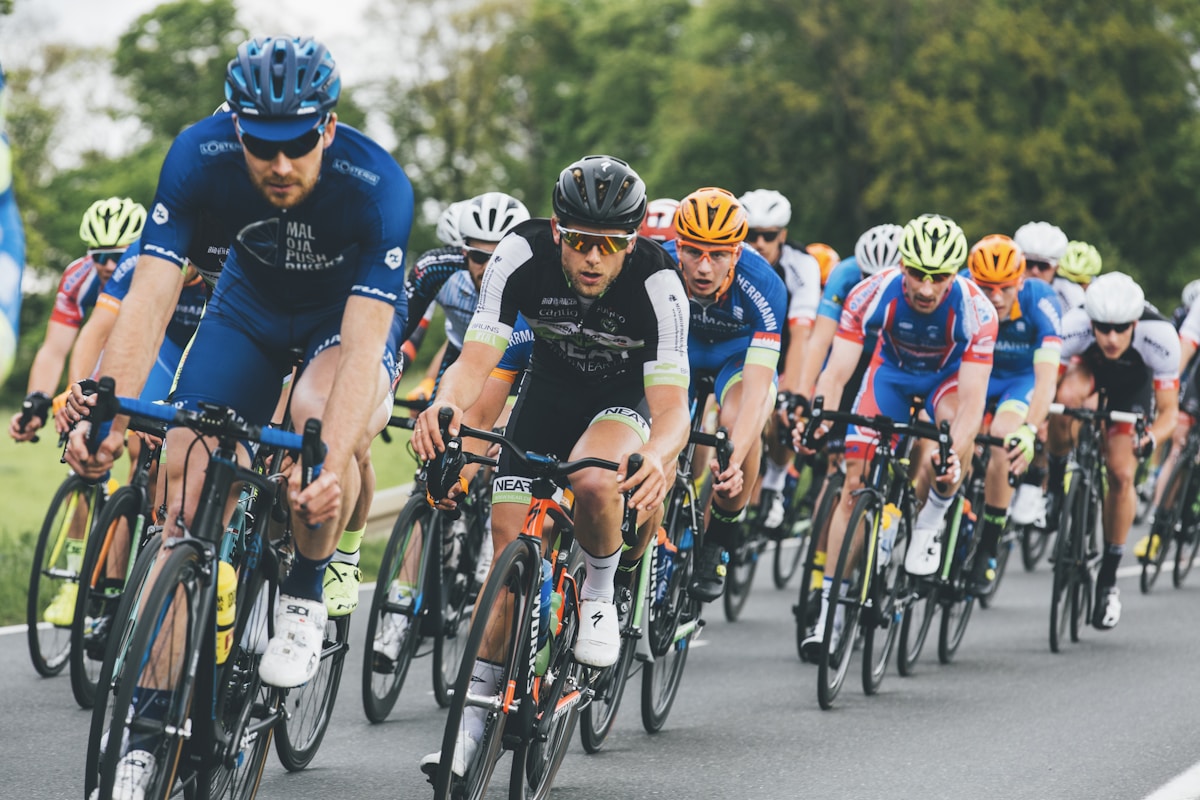
Track bikes look like road bikes from a distance. Get closer and differences emerge. No brake levers. No shifters. One gear, fixed to the rear hub so the pedals never stop turning. The geometry is aggressive, designed to put riders in a low, aerodynamic tuck.
Wheels are often deep-section or full disc. Handlebars drop low. The whole package screams speed in a way that road bikes, with their versatility, never quite match.
Bikes Worth Mentioning
Specialized Allez Sprint Track: I rode one of these during a beginner track session. Stiff as a board in the best way. Every pedal stroke translated directly into forward motion. The aluminum frame handled the banking confidently.
Look 875 Madison: A friend races on one of these. The carbon frame disappears under you when you’re sprinting. Pricey, but track racers who podium seem to gravitate toward Look.
Fuji Track Elite: More accessible price point. Seen plenty of these at the velodrome during beginner nights. They get the job done without requiring a second mortgage.
Cervelo T-Series: The wind tunnel development shows. Riders using these for time trials and pursuits seem to extract extra speed from the aerodynamics.
Getting Into Track Cycling
Most velodromes run beginner sessions. You show up, they hand you a bike, and someone teaches you the basics. That first lap on the apron feels natural. Then they send you up into the banking, and your brain insists you’re about to fall sideways. You don’t. The physics work.
You don’t need to buy a track bike to try track cycling. Most velodromes have fleets of rental bikes specifically for introduction courses.
The Fixed Gear Learning Curve
Not being able to coast throws people off initially. Your legs keep spinning whether you want them to or not. Slow down by applying backward pressure to the pedals. Speed up by… pedaling. No shifting to find the right gear. Just you and the one ratio you’ve got.
After a few sessions, the constant pedaling becomes meditative rather than exhausting. Your body adapts. Leg speed improves. The simplicity that felt limiting starts feeling pure.
Buying Considerations
If you catch the bug and want your own bike, frame material matters. Carbon is lighter but expensive. Aluminum offers solid performance at reasonable prices. Used track bikes pop up occasionally as riders upgrade.
Fit is critical. Track bikes run aggressive positions, and small adjustments matter when you’re holding an aerodynamic tuck at speed. Get properly sized or regret it on every lap.
Maintenance Reality
Track bikes are mechanically simple. No derailleurs to adjust. No brake cables to replace. Keep the chain clean, the bearings smooth, and the tires at proper pressure. The single-speed drivetrain wears evenly. Less to go wrong means less time wrenching.
Check your frame periodically for stress cracks. Track racing puts serious forces through frames during standing starts and sprint efforts.
What Track Teaches You
Bike handling improves dramatically. Riding in close proximity to other racers at high speeds demands smoothness. No sudden movements. No erratic lines. These skills transfer to road riding, group rides, and even commuting.
Leg strength develops differently than on the road. Constant pedaling at high cadences builds a particular kind of fitness. Track racers who also road race often have noticeably smooth pedaling styles.
Recommended Cycling Gear
This section includes affiliate links. We may earn a commission at no extra cost to you.



Stay in the loop
Get the latest cycle train central updates delivered to your inbox.