
Cycling Events
Cycling events have gotten almost impossibly varied over the last decade, with new formats and categories popping up faster than most riders can track. Here’s a breakdown of what’s actually out there and what each one demands.
Road Races
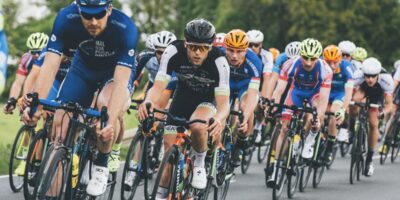
Road races are the backbone of competitive cycling. They run on paved roads across distances ranging from a quick 50km to multi-day stage races like the Tour de France. Elite events attract global attention, but amateur road races are far more accessible than most people assume. The tactics are genuinely interesting — it’s not just about who’s fastest, it’s about timing attacks and reading the peloton.
Time Trials
Time trials are the most honest format in cycling. You against the clock, no drafting, nowhere to hide. Individual time trials stagger start times to prevent drafting, while team time trials require a group to work in coordinated rotation. The pacing demands are brutal — going out even slightly too hard in the first half destroys your finish. I spent a rainy Tuesday trying to dial in my TT pacing on a flat out-and-back course, and even with a power meter the math is harder than it looks.
Criterium Races
Criterium races run on tight closed circuits, often just a few city blocks looped repeatedly. High speeds, sharp corners, constant tactical positioning. These draw big crowds because spectators can see the entire race from one spot. The atmosphere is electric in a way that road races outside a town center simply aren’t.
Track Cycling
Track cycling happens in velodromes — steeply banked oval tracks built for speed. The events range from head-to-head sprint duels to endurance points races where strategy matters as much as fitness. Watching a track sprint in person is genuinely startling — those riders cover the final 200 meters at speeds that don’t feel legal on a bicycle.
Gravel Races
Gravel racing blends road and off-road elements across mixed terrain — gravel paths, dirt roads, sometimes chunks of singletrack. Events range from half-day adventures to multi-day epics like Unbound Gravel. The gear requirements are different from road racing, and the culture tends to be more relaxed about pure competition.
Mountain Bike Races
Mountain bike racing covers several disciplines: cross-country, enduro, downhill, marathon. Each demands different skills and fitness. Having ridden cross-country races and then attempted an enduro format, I can confirm they feel like entirely different sports despite using nearly identical bikes. The technical demands on rough terrain separate mountain biking from every other format on this list.
Endurance Events
Ultra-endurance events like Paris-Brest-Paris push the concept of cycling to its logical extreme — riders covering 1,200km with minimal sleep over four days. These aren’t really races in the traditional sense; most participants are trying to finish within the time limit rather than beat each other. The training, mental preparation, and logistical planning involved make completing one a serious achievement.
Charity Rides
Charity rides shift the focus from competition to participation and purpose. Non-competitive, often well-supported with rest stops and sag wagons, and organized to accommodate a wide range of fitness levels. I’m apparently someone who finds these more enjoyable than pure races some years — there’s something genuinely nice about riding with a few thousand people who are all there for the same reason.
Virtual Races
Virtual racing via platforms like Zwift has matured into a legitimate format. Riders use indoor trainers connected to software that simulates real courses, with physics modeling that rewards actual power output. The flexibility is the obvious appeal — no weather, no logistics, race from your spare room. The racing itself is surprisingly competitive at the upper levels.
Touring Events
Touring events prioritize exploration over speed. Multi-day routes through scenic or culturally significant areas, supported by vehicles, with rest stops built into the schedule. No timing, no racing — just covering distance and experiencing the route. For riders who love cycling but find competition stressful, these offer everything good about a big organized ride without the pressure.
Skills Clinics
Skills clinics are underrated by experienced riders and essential for beginners. Coaches cover bike handling, braking technique, cornering, maintenance basics. The hands-on feedback accelerates improvement faster than solo practice — having someone watch you corner and immediately point out what your hands are doing wrong is worth months of trial and error.
- Group Rides: Informal, social, no competition. Good for building base fitness and learning to ride in a group safely.
- Adventure Races: Multi-discipline events combining cycling with running, paddling, or navigation. Demand versatility and teamwork.
- Festivals: Gatherings around multiple cycling disciplines — races, demos, family activities, and usually good food.
- Relay Races: Teams split the course into segments, with each rider taking a turn. Strategy matters as much as individual fitness.
- Night Rides: Everything changes when you add darkness. Lights, reflective gear, and a different kind of focus make these memorable.
Preparation matters regardless of which format you choose. Bike maintenance, appropriate gear, nutrition planning — these aren’t optional if you want to finish well. Training for the specific demands of your target event pays off more than generic fitness work. A criterium rider and an endurance tourer need completely different preparation even if they both ride five days a week.
Safety is built into well-run events. Route marking, medical support, and clear protocols protect participants. In virtual events, the “safety” consideration shifts to equipment stability and adequate ventilation in your training space — two things it’s easy to overlook until something goes wrong.
Community is probably cycling’s most underrated feature. The friendships that form through regular rides and shared suffering at events tend to be genuinely durable. Local clubs, online groups, and the informal networks that form around events give the sport a social dimension that keeps people riding long after the initial fitness motivation fades.
One Final Thought
The variety in cycling events is one of the sport’s genuine strengths. There’s a format for every type of rider — competitive or casual, solo or social, local or global. The only wrong approach is assuming the first type of event you try represents everything the sport has to offer. Try a few different formats before deciding what fits you best.



Stay in the loop
Get the latest cycle train central updates delivered to your inbox.