
Top 5 Cycling Training Tips
Cycling training has gotten noisy with competing methodologies, fancy apps, and endless debates about which approach is scientifically optimal. These five principles are where I’d start with anyone new to training — or anyone who wants to cut through the noise and focus on what actually matters.
1. Start with Proper Equipment Fit
The most overlooked starting point in any cycling training plan is making sure your bike fits you correctly. An ill-fitting bike doesn’t just cause discomfort — it makes every ride less efficient and increases your injury risk over time. Saddle height, reach to the bars, and cleat alignment are the three variables that matter most. Get a basic fit done before investing in training time. And always: helmet, gloves, appropriate footwear, water. Non-negotiables on every ride.
2. Let Your Fitness Build Slowly
The urge to do more than your body is ready for is the most common training mistake across all fitness activities. Start with distances that feel manageable — even easy — and build up over weeks. Your cardiovascular system adapts faster than your tendons, ligaments, and connective tissue, which is why injury risk spikes when people ramp up too quickly. The fitness you’re chasing doesn’t disappear if you take an extra week to build up properly. Probably should have put this point first, honestly, because it’s the one most people skip.
3. Mix Up Your Training Intensity
If you always ride at a comfortable, conversational pace, you’ll adapt to that pace — and stop improving much beyond it. Including harder efforts in your week creates different physiological adaptations that steady-state riding can’t achieve. Uphill climbs build power. Flat-out sprint intervals develop top-end speed. Longer tempo efforts build lactate threshold. You don’t need a complicated plan — just make sure some rides involve going harder than comfortable on specific segments. The variety is what unlocks continued improvement.
4. Treat Recovery as Part of Training
Having trained through periods where I ignored rest and periods where I prioritized it, the difference in how I felt and performed was dramatic. Your body doesn’t adapt during the ride — it adapts during recovery. That means sleep matters. Rest days matter. Eating enough of the right things matters. I’m apparently someone who has to actively schedule rest days or I’ll talk myself into riding every day and accumulate fatigue that eventually forces an unplanned break. Proactive recovery beats reactive recovery every time.
5. Find People to Ride With
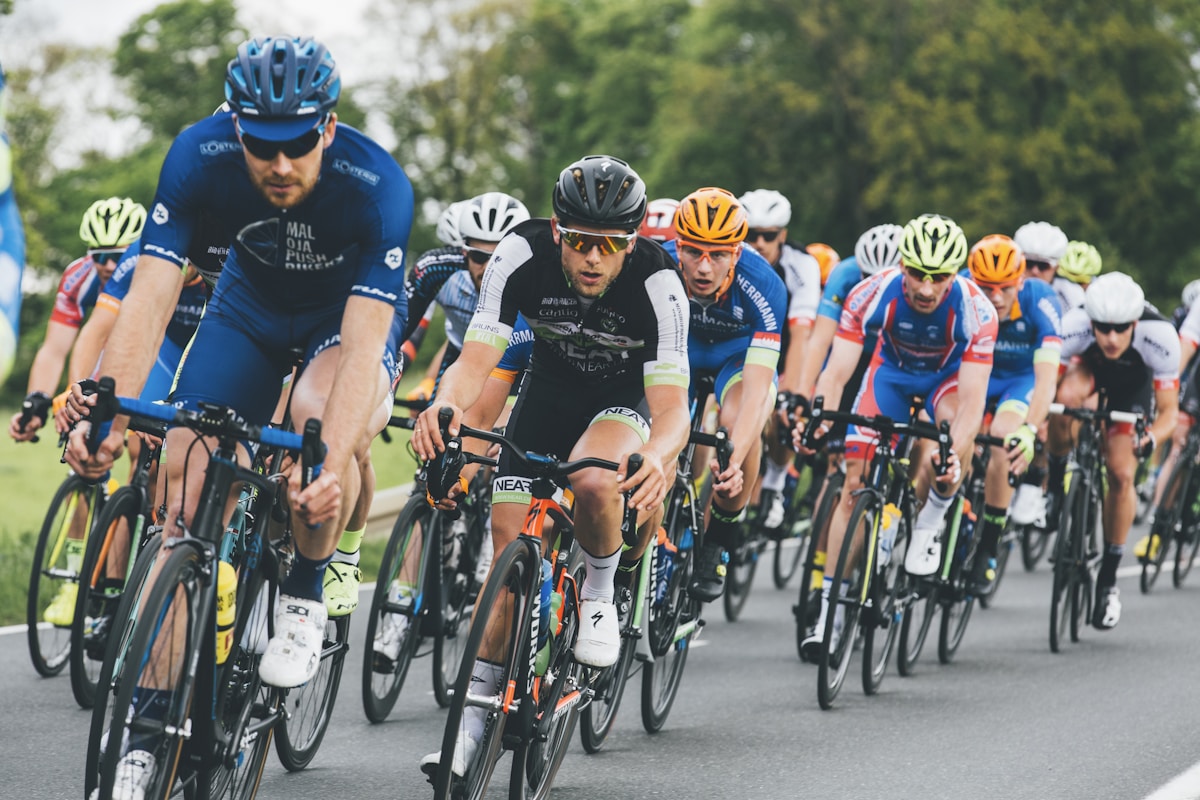
Solo riding is valuable. Group riding is transformative. Riding with people who are slightly better than you pulls your pace up naturally. Riding in a group teaches you drafting, communication, and the tactical thinking that makes cycling more interesting. The social accountability makes it harder to skip sessions. Local cycling clubs organize group rides across all ability levels, and most are genuinely welcoming to newer riders. Even adding one group ride per week to an otherwise solo training schedule changes the quality of your riding quickly.
Training doesn’t have to be complicated to work. These five fundamentals — proper fit, gradual progression, intensity variation, consistent recovery, and social riding — create a foundation that supports improvement at any level. Start there before worrying about anything more sophisticated.




Stay in the loop
Get the latest cycle train central updates delivered to your inbox.